
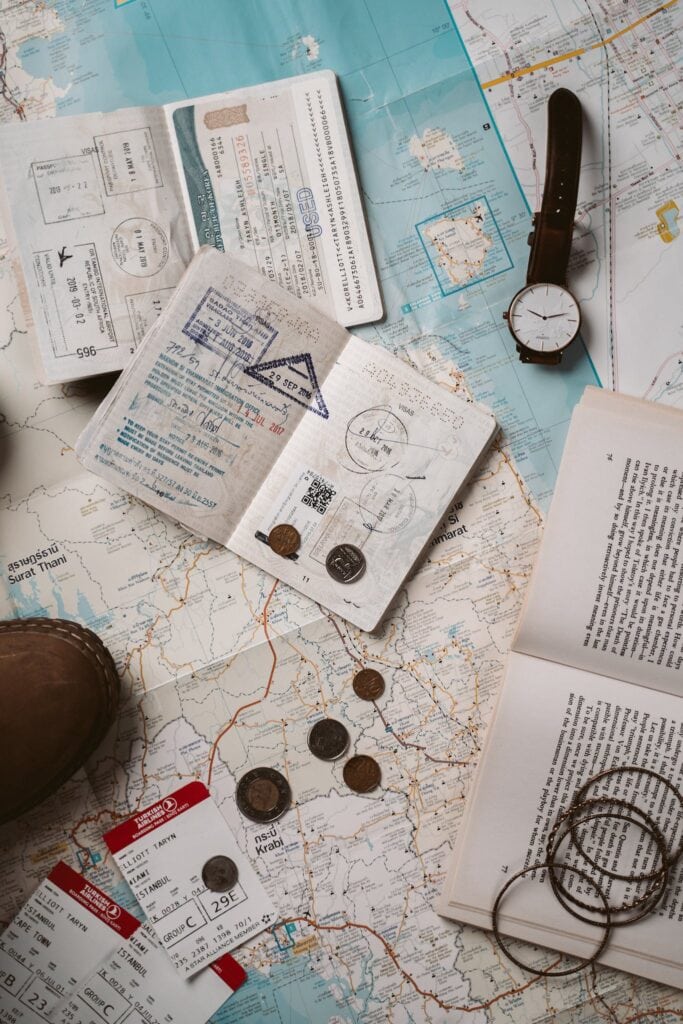
Have you ever noticed how immigrants are basically the ultimate packers of the world? I mean, when they travel to a new country, they’re not just carrying their hopes, dreams, and a toothbrush. Nope! They’ve got this Mary Poppins bag of documents that could rival the Library of Congress.
It’s like they’ve got their birth certificate from way back when dinosaurs roamed the Earth, a dozen IDs just in case they forget who they are, academic transcripts that could put Einstein’s notes to shame, and letters of recommendation from everyone including their third-grade teacher’s pet hamster.
They probably have a document that proves they once found a four-leaf clover on a cloudy day too. If there’s a “Most Prepared Traveler” award, immigrants should just sweep the category every year!
However, as a newcomer in Canada, there are a few important documents which are most essential for various purposes, including identification, legal matters, employment, and accessing services.

Here are ten essential documents you should consider obtaining:
- Permanent Resident Card (PR Card): If you’re a permanent resident, this card serves as proof of your status in Canada. It’s essential for re-entry into the country after travel abroad. A Canadian Permanent Resident (PR) Card is an official document issued by the Government of Canada to immigrants who have been granted permanent resident status. This card serves as proof of their status as a permanent resident in Canada. It includes the individual’s name, photograph, date of birth, and a unique identification number.
- Social Insurance Number (SIN): It is a nine-digit number issued by the Government of Canada through Service Canada. The SIN is primarily used for identification purposes related to employment, taxation, and accessing government benefits and services. This is crucial for employment, paying taxes, and accessing government programs and benefits. You can apply for a SIN through Service Canada.
- Health Insurance Card (Health Card): Each province or territory in Canada has its own health insurance plan. It’s important to apply for and receive your provincial health insurance card to access healthcare services. Based on where you are residing in Canada, more details are available here
- Driver’s License or Identification Card: A driver’s license or provincial ID card is important for identification purposes. It may also be required for various transactions, such as opening a bank account or renting a property.
- Birth Certificate (and Certified Translations): Your birth certificate, especially if it’s from another country, may need to be translated and notarized. It can be crucial for various official applications.
- Education and Qualification Documents: Copies of your educational certificates, degrees, diplomas, or professional qualifications might be needed for job applications, credential assessments, or further education.
- Passport: Your passport serves as primary identification and may be required for various official purposes, including travel and certain applications.
- Banking Documents: When opening a bank account in Canada, you’ll need identification documents and proof of address, such as a utility bill or a rental agreement.
- Rental or Housing Agreement: In Canada, a rental agreement, also known as a lease or tenancy agreement, is a legally binding contract between a landlord (the property owner or manager) and a tenant (the individual or individuals renting the property). Having a copy of your rental or housing agreement is essential for legal and address verification purposes.
- Marriage Certificate or Family Records: If applicable, these documents can be important for various applications or for family-related benefits.
Remember that the specific documents you need may vary depending on your immigration status, the province or territory you reside in, and the services you wish to access. It’s advisable to research and confirm the necessary documentation based on your situation and location within Canada. Additionally, keep original copies of these documents in a secure place and consider having digital copies stored securely as well.

