

An auto accident can be an overwhelming experience, especially if you’re unfamiliar with the procedures that follow. If you live in Ontario and find yourself in such an unfortunate situation, knowing what to do after a car accident can significantly streamline the aftermath. This article will provide a step-by-step guide to help you navigate the insurance procedures that follow a car accident in Ontario.
Safeguarding the Scene and Ensuring Safety
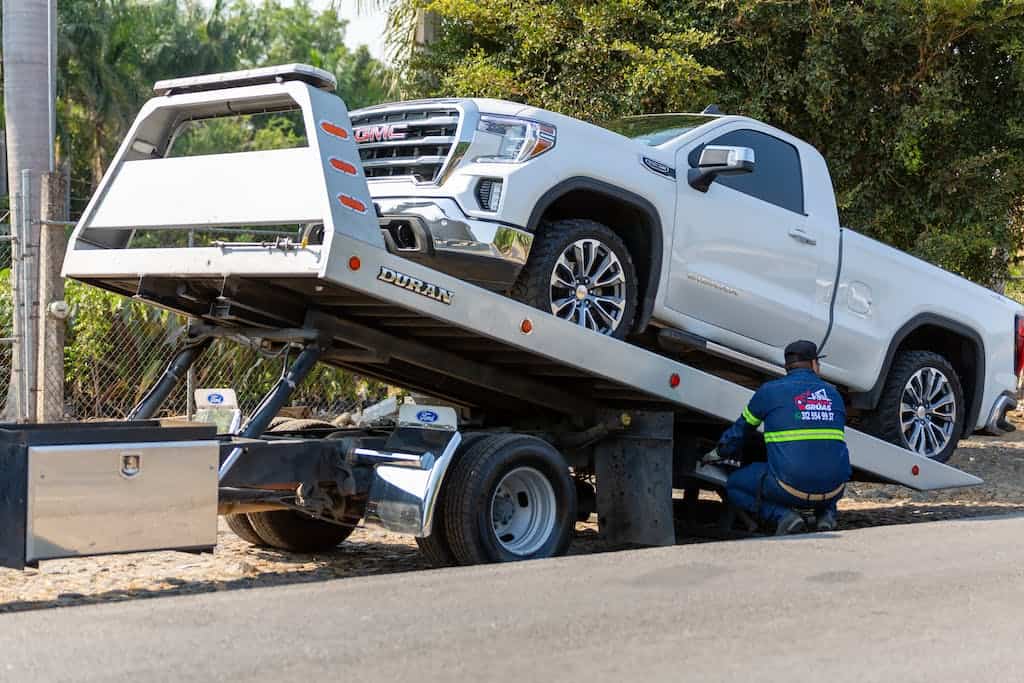
The immediate aftermath of an auto accident can be chaotic and distressing. However, it is a good idea to maintain composure and prioritize the safety of everyone involved. To start, if circumstances allow, steer your car away from the active traffic lanes to a safer spot nearby. This helps to avert any further accidents and keeps the traffic flow uninterrupted. Sometimes a tow truck may be required at the scene of motor vehicle accidents.
Once your vehicle is safely positioned, promptly check on all the people involved in the collision. Assess if there is any injured person or property damage, and if so, dial emergency services right away. Timely medical assistance can make a significant difference, especially in severe injury scenarios. The presence of a police officer can also make the scene of the accident safer,
Sometimes, the accident may appear minor, tempting you to leave the scene. However, in Ontario, it is against the law to flee from the accident site, irrespective of the severity of the incident. Staying at the scene until authorities arrive or until you’ve fulfilled all necessary legal and ethical obligations is paramount.
Remember, maintaining the integrity of the accident scene can help the investigators piece together what happened, aiding the claims process down the line. So, while waiting for the relevant authorities to arrive, avoid moving any debris or involved vehicles to the side of the road unless it’s necessary for safety reasons.
Your actions in the immediate aftermath of a car accident are critical, not just for the safety and well-being of all involved but also for the subsequent insurance claims process. Stick to these guidelines to ensure you manage the situation responsibly and effectively.
Reporting the Accident to Authorities
Ontario law requires that you report any accident causing damage exceeding $2000 or resulting in injuries to the police. Should there be severe injuries or if you suspect the other driver might be under the influence of drugs, it’s essential to dial 911 without delay so appropriate medical attention is available. For a minor accident, like a fender bender, you can visit the nearest Collision Reporting Centre to report the incident.
Keep in mind, this should be done within 24 hours from the time of the accident. Promptly informing the police not only fulfills your legal obligations but also aids in creating an official account of the event. This can be particularly helpful later when dealing with your insurance company and any potential legal proceedings.
Documenting the Accident
Careful documentation of the accident scene is key to building a strong foundation for your insurance claim. Start by recording the specific details of the accident. This includes the date and time of the incident, the exact location, and prevailing weather conditions at the time. Details regarding the other vehicle involved are also important; capture the make, model, color, and license plate number.
Taking photographs can be a potent form of evidence, as they provide a visual account of the incident. Make sure to capture multiple angles of the scene, focusing on the damage to all vehicles involved. If any injuries are visible, they should be documented with photographs as well.
Witnesses can play a significant role in verifying the events leading to the accident. If there are any bystanders or individuals who witnessed the incident, approach them and request their contact information. Their perspectives can help in painting a clear picture of the sequence of events and possibly influence the outcome of the claim.
Keep in mind, that proper documentation does not involve speculation or concluding the accident. Stick to recording facts and observable details. This unbiased approach will aid the insurance adjuster in understanding the situation better, thus facilitating a fair settlement.
Reporting the Accident to Your Insurance Provider
The aftermath of an accident may feel disorienting, but you need to promptly notify your insurance provider of the incident. Ontario law stipulates that this should be done within a week of the accident, irrespective of who caused the collision. If this timeline isn’t adhered to, it could potentially lead to the rejection of your claim. You should also keep your insurance information with you at all times.
When communicating with your insurance provider, ensure that the information you provide is accurate and truthful. It’s important to share the specific details of the incident without bias. Do not withhold any information and strive to answer all the insurer’s questions to the best of your ability.
However, avoid volunteering any opinions or making definitive statements about who was at fault until all facts are evaluated. An incorrect declaration can adversely affect your claim’s resolution. Instead, provide objective facts such as the location, time, and date of the accident, and the details of the other party involved. If available, provide contact information of witnesses and pictures of the accident scene.
Be prepared to answer questions about the extent of damage to your vehicle and if anyone sustained injuries. In case of any injuries, your insurance provider needs to know the nature and severity of the injuries, and if any medical assistance was sought.
Remember, honesty is pivotal when dealing with your insurance provider. Misrepresentation or fraudulent details can lead not only to your claim being denied but can also result in the cancellation of your policy. Therefore, adhere to the truth, stick to the facts, and cooperate with your insurance provider to ensure the process unfolds as smoothly as possible.
Understanding Fault Determination Rules
In the province of Ontario, the principle of ‘No-Fault’ insurance is applied. This unique principle signifies that regardless of which party was responsible for causing the accident, each individual must proceed with their respective insurance company for claims processing. Yet, it is important to note that this does not mean that fault is not assigned in an accident.
Insurance companies use a specific set of regulations, known as the Fault Determination Rules, to evaluate and ascertain the at-fault driver. These rules have been established by the province and offer a detailed and systematic approach to determining fault in various accident scenarios. The purpose of these rules is to ensure an unbiased evaluation, regardless of the individual circumstances surrounding the accident.
These regulations offer insurance companies a comprehensive guide to follow when determining who is at fault, taking into account a multitude of situations and conditions. This ensures that no matter how complex the accident, the evaluation of fault remains consistent, fair, and impartial for all parties involved.
So, while you will work with your own insurance company following an accident, the Fault Determination Rules are used by these companies to assign responsibility. This determination of fault can then impact aspects such as insurance premiums and accident benefits. Understanding this process can aid in navigating the aftermath of an accident and better prepare you for the potential impacts on your insurance coverage.
Dealing with Vehicle Repairs and Insurance Adjusters
Once you’ve submitted your claim, it’s time for the insurance adjuster to step in. This individual, representing your insurance company, will carry out an in-depth assessment of the accident to ascertain the compensation you’re entitled to. An integral part of this assessment involves inspecting the damages your vehicle has sustained.
During this phase, you have the right to select the repair shop to fix your car. While you’re free to choose any establishment you prefer, opting for a repair shop endorsed by your insurer could be beneficial. The primary advantage of this is the assurance of quality – any repairs conducted by these shops are guaranteed by the insurance company. This means that if the repair work fails or isn’t up to par, the insurer will ensure that any necessary additional work is conducted without added cost to you.
While your vehicle is being repaired, the adjuster continues their investigation, which could include scrutinizing medical reports if there were injuries involved, verifying details of the accident with your account and those of other parties involved, and even visiting the accident scene in some cases. Their goal is to construct a detailed understanding of the event to establish the amount of your total claim.
Remember, during this time, it’s important to keep open lines of communication with the adjuster. Respond promptly to any requests for additional information and be cooperative during the process. This not only aids the adjuster in doing their job effectively but also helps in expediting the claim process.
During this stage, patience is paramount. The adjuster’s investigation is a comprehensive process and can take some time. However, rest assured that this detailed evaluation is necessary to ensure a fair settlement based on the facts of the accident and the terms of your insurance policy
Seeking Legal Counsel if Necessary
While insurance companies are generally fair in processing claims, there may be instances where you find the outcome of your claim unsatisfactory or unjust. This could be a claim denial you believe is unwarranted, or a sudden hike in your insurance premiums despite your conviction of not being at fault. Under such circumstances, it could be beneficial to consider legal assistance. Engaging a personal injury lawyer can offer valuable insight into your rights, and provide necessary guidance to navigate potential legal procedures.
Legal professionals specializing in personal injury law are adept at dealing with car accident cases and can provide a comprehensive understanding of the claims process. They can analyze the facts of your case, evaluate the insurance company’s decisions, and assess if your claim was managed fairly. If there has been an unjust denial of your claim, a lawyer can help contest it by communicating with the insurance company on your behalf and presenting the necessary evidence to support your case. They can also guide you in filing a lawsuit if needed.
Moreover, should your insurance premiums increase despite you not being at fault for the accident, a legal expert can evaluate the situation. They can help decipher the Fault Determination Rules applied by your insurance company, and ascertain if there was an error in the assignment of fault.
Remember, consulting with a lawyer does not necessarily mean you are initiating a lawsuit. Instead, it’s about understanding your rights and ensuring that your insurance claim is handled fairly. Most personal injury lawyers offer a free consultation, allowing you to discuss your case without any financial obligation. This step can be a worthwhile investment to ensure that you’re adequately compensated for the losses and damages you’ve endured due to the accident.
In conclusion, seeking legal counsel in contentious cases is a proactive step towards safeguarding your interests in the aftermath of a car accident in Ontario. It’s about ensuring that justice is served and that you receive the fair treatment you deserve.

